An early industrial platform with infrastructure-scale upside.
This is not positioned as a niche sustainability site. It is the public face of a regional-to-national materials recovery platform built around RAS, logistics, policy fluency, and relationship-led execution.
A serious case for early attention from capital partners
The thesis is meant to read as an overlooked industrial category with multiple leverage points, not as generic sustainability hype.
Core reasons to look closely
- Estimated 10M+ ton annual shingle waste stream with low recovery and embedded asphaltic value
- RAS creates a bridge from roofing waste to paving-relevant feedstock and potential product integration
- Economic logic can exist at intake, through processing, and over time in downstream product channels
- Execution depends on municipal fit, regulatory fluency, and partner density as much as equipment
- Founder brings roofing credibility, public-affairs fluency, and industry relationship access in a still-underbuilt category
Feedstock control
Recurring intake relationships become more defensible when they are tied to trust, convenience, volume discipline, and real downstream pathways.
Regional infrastructure density
Once a region has aligned intake, processing, logistics, and offtake, the platform becomes harder to replicate with shallow competition.
Cross-sector access
Execution requires roofing credibility, public-sector fluency, and private-market coordination at the same time.
Why the output side of the model matters
Recycled asphalt shingles are central to the business-plan logic because they connect waste recovery to an actual materials market.
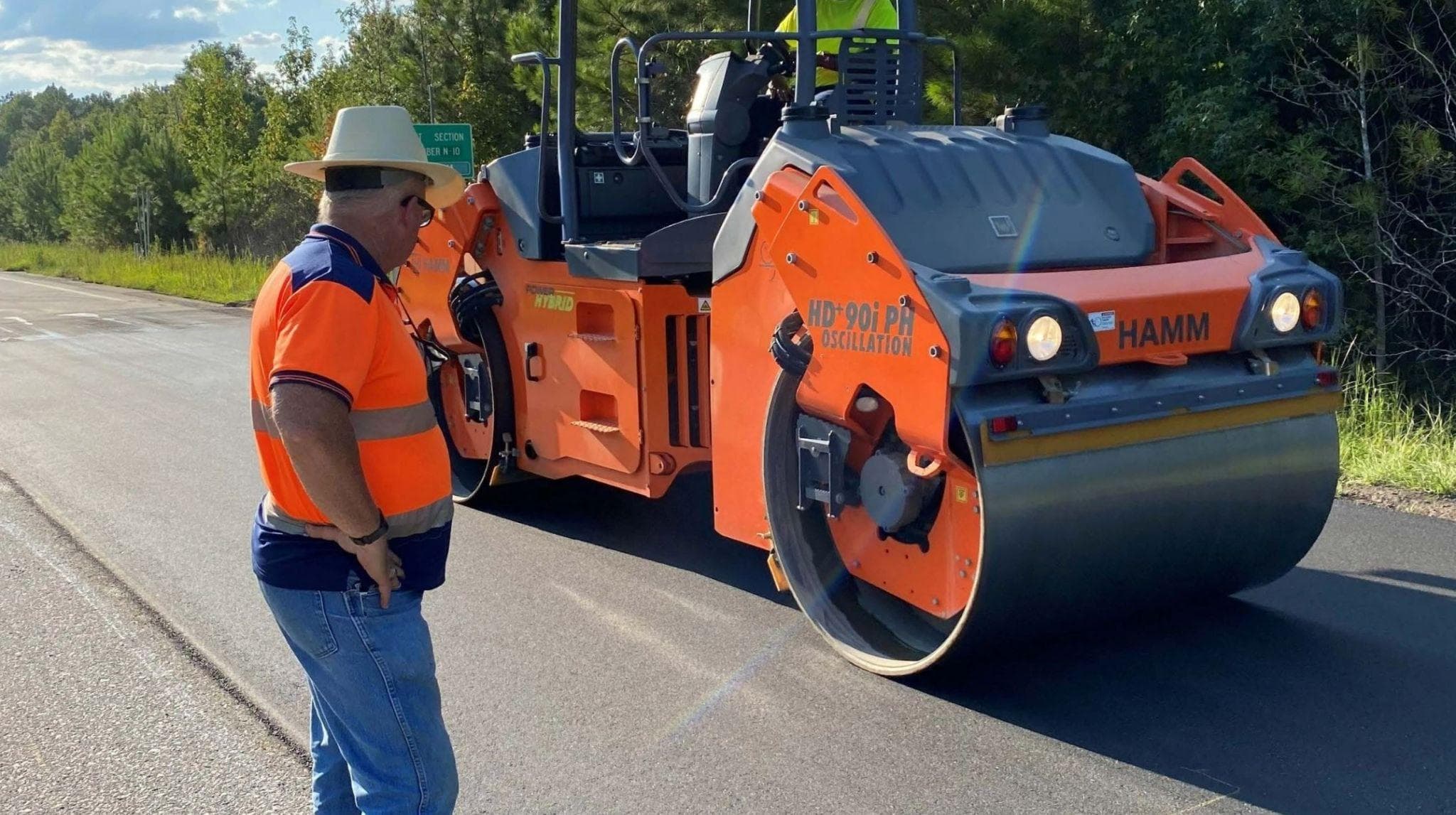
RAS is the bridge between landfill diversion and industrial value.
The capital thesis strengthens when processed shingles have a credible path into paving-related demand instead of ending as a recycling story without a market.
RAS, in practical terms
Recycled asphalt shingles are processed shingle millings prepared for paving-related use rather than left as landfill waste.
Why it matters economically
RAS creates a bridge between waste diversion and downstream material value, which is why the category can matter to operators and capital alike.
Why processing discipline matters
Contamination control, consistent sizing, and market-specific specifications determine whether recovered shingles become credible feedstock.
Spec and jurisdiction matter
Mix acceptance varies by plant, market, and specification. The point on this public site is not one exact percentage. It is that processed shingles can become valuable feedstock when downstream fit and quality discipline are both real.
How the model is designed to compound
The original business plan and the current capital story follow the same sequence: secure supply, process to spec, prove downstream demand, then expand region by region.
Intake economics
A useful regional platform starts by becoming a better outlet for tear-off and cut-off shingles than landfill-only handling.
Processing discipline
Value depends on converting raw shingle volume into consistent, spec-aware material rather than just moving debris.
Downstream offtake
Paving and asphalt relationships are the bridge from waste diversion to product-market relevance.
Vertical integration path
The longer-term business plan contemplates tighter alignment with paving plants and finished-product channels where economics justify it.
Policy fluency is part of the execution story
The deck thesis was explicit that regulation, municipal fit, and public-affairs work could shape category adoption. The public site should reflect that without making promises it cannot verify.
Municipal and landfill alignment
Siting and partnership models work better when host facilities, local governments, and diversion goals are aligned from the start.
Public-affairs fluency
The category can benefit from clear communication around landfill relief, recycled-content procurement, and domestic-material resilience.
Careful compliance posture
Execution depends on understanding environmental, runoff, and jurisdiction-specific requirements early, not treating regulation as an afterthought.
Roofing Recyclers is not using this public page to claim any specific subsidy, exemption, or regulatory outcome. The point is that a serious operator in this category needs to understand public-sector realities early and position the company accordingly.
Industry connections are part of the capital thesis
The original deck also made a relationship argument: this category will not be organized by equipment alone. It will be organized by who can align the right people.
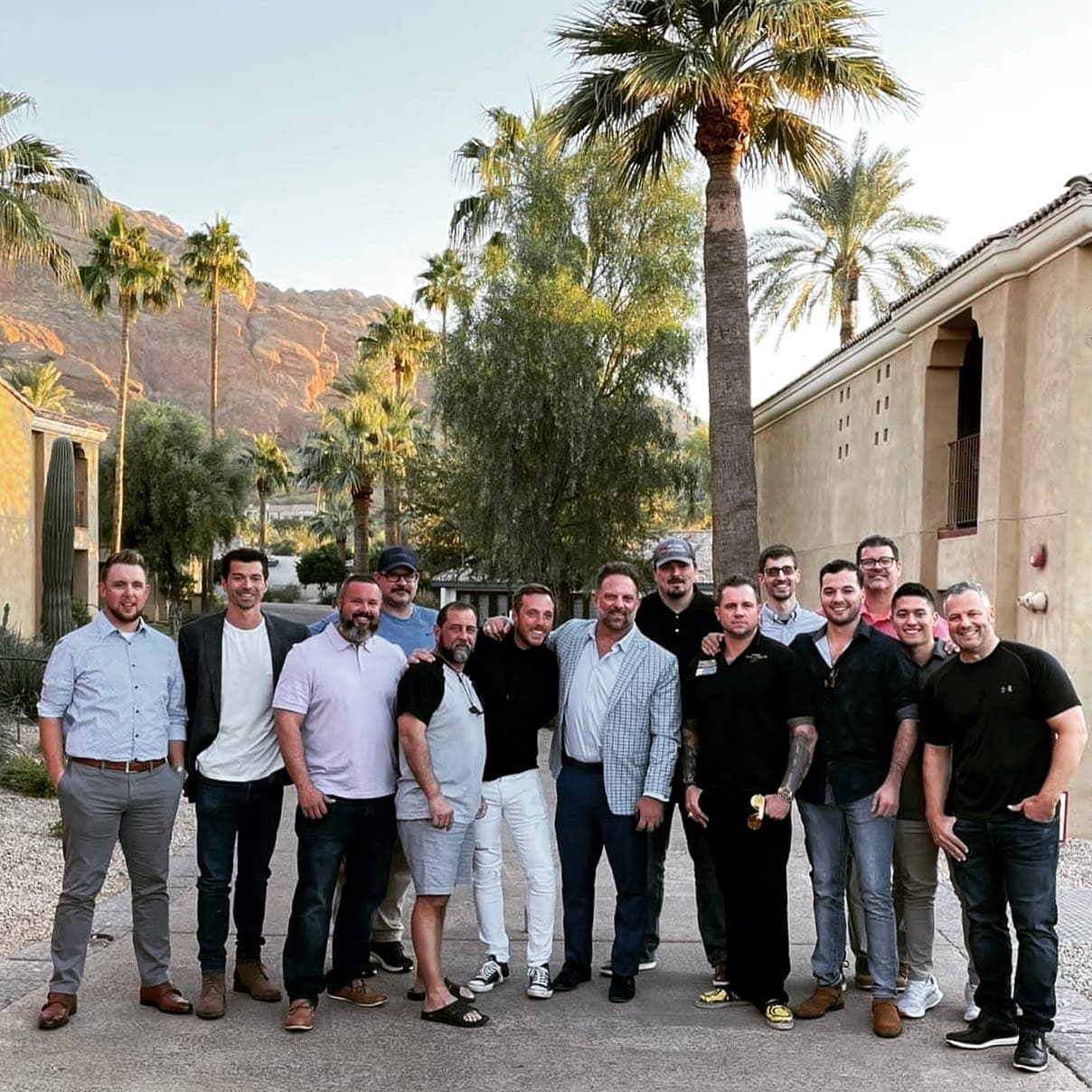
This market rewards access, credibility, and coalition building.
Contractors, manufacturers, municipalities, public stakeholders, and capital partners all need reasons to trust the same platform.
Roofing contractor reach
The founding thesis is rooted in real relationships across roofing contractors, restoration leaders, and industry operators.
Manufacturer and distributor access
Conversations across the supply chain can surface inbound volume, partnership opportunities, and market intelligence earlier than cold market entry.
Policy and regulator familiarity
State-level legislative and regulatory familiarity supports a more realistic approach to category building and municipal conversations.
Media and coalition building
Conference visibility, trade credibility, and audience reach can accelerate trust, education, and coalition formation around the category.
Request a direct investor conversation
The public site should invite serious conversations while keeping room for more detailed private follow-up later.
Loading the investor inquiry form
The form hydrates on the client so the page can stay pre-rendered and fast.