Building the public foundation for a category-defining industrial company.
Roofing Recyclers is being built to connect roofing waste recovery, RAS processing, landfill diversion, and downstream infrastructure value inside one scalable platform.
Why this opportunity is much larger than a simple recycling pitch
This company is being framed as a serious operating platform at the intersection of roofing, infrastructure, waste diversion, and manufacturing.
Economic logic first
The opportunity matters because it can be operationally valuable, not because it sounds good in a brochure.
Relationship-led execution
This model depends on real intake, public-private coordination, real logistics, and real offtake relationships rather than concept slides alone.
National ambition with regional sequencing
The company can expand through repeatable hubs and partner density rather than pretending national scale appears overnight.
A roofing-native founder position with policy and execution fluency
Founder positioning matters because the work depends on credibility inside roofing, construction, and public-private relationship networks.
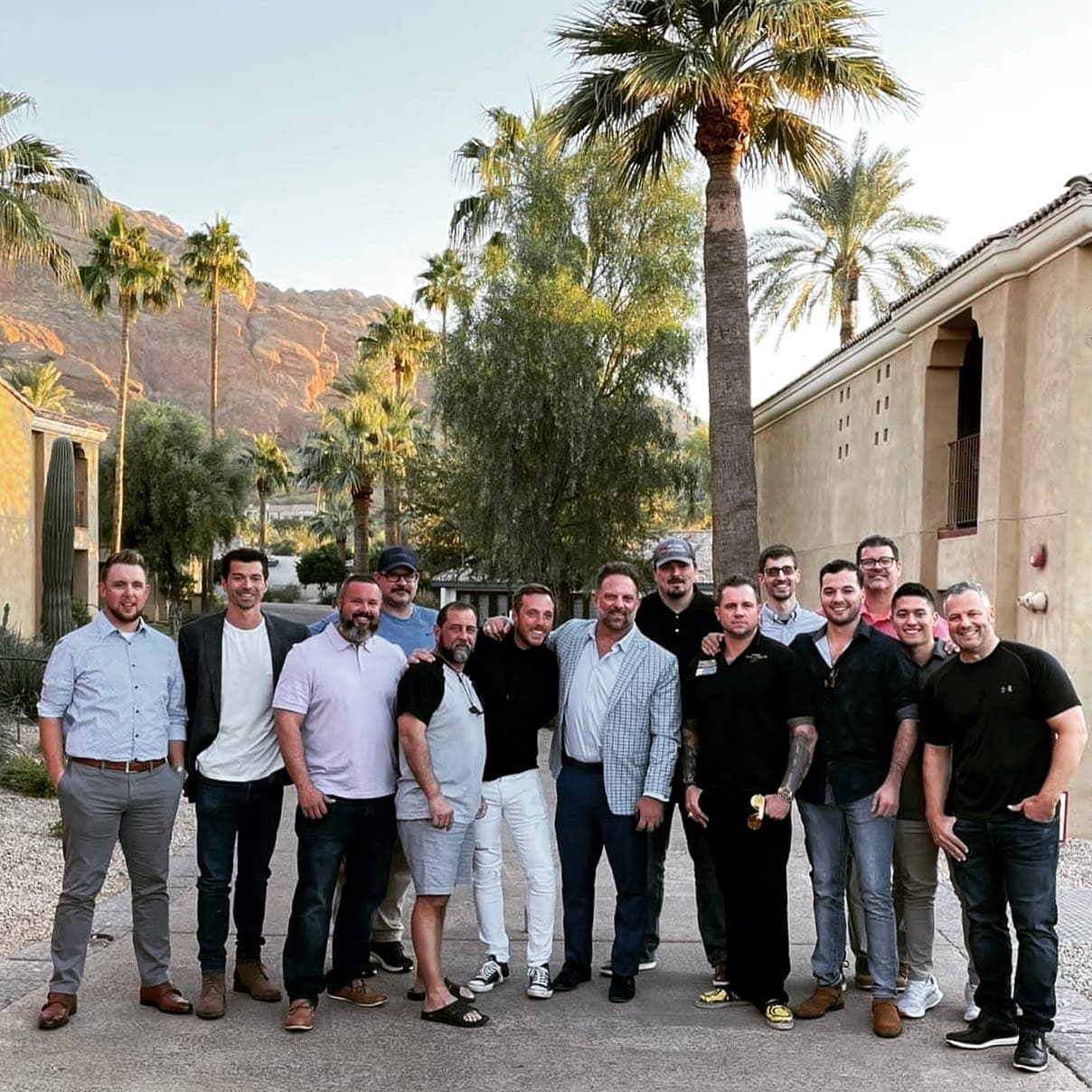
Relationships are part of the execution plan.
Roofing Recyclers needs trust across contractors, manufacturers, public stakeholders, and strategic operators. That relationship density is a real asset.
TJ Ware
TJ Ware comes to Roofing Recyclers from roofing, restoration, construction, and insurance-claims work rather than from abstract sustainability branding. That operator lens matters in a category where contractor trust, material behavior, and field logistics determine whether supply actually shows up.
His background also includes policy engagement, public-facing industry leadership, and relationship building across business leaders, trade voices, and public stakeholders. For a company that must align roofers, municipalities, manufacturers, landfills, and capital partners, that relationship density is part of the business plan.
Built on sector credibility, public-affairs fluency, and relationship depth.
- Roofing and restoration industry credibility with contractor network access
- Construction and insurance-claims operating perspective
- Policy, legislative, and regulatory engagement experience
- Relationship-driven access across roofers, media, and strategic stakeholders
A national platform can emerge from repeatable regional hubs
The long-term goal is national relevance, but the sequence has to be regional, disciplined, and partnership-driven.
Phase 1: supply and siting alignment
Validate intake relationships, municipal or facility alignment, and processing pathways inside the first target markets.
Phase 2: regional density and RAS credibility
Grow through repeatable hub logic, stronger logistics coordination, and more credible downstream material positioning.
Phase 3: downstream integration and reporting
Deepen ties into paving products, asphalt ecosystem relationships, and the reporting layer needed for larger capital and public-sector conversations.
Built to expand beyond a brochure site
The public site is already structured for future contractor certification, partner applications, impact dashboards, investor data room requests, location discovery, and authority-building content. The architecture is meant to grow with the company.