A practical recycling system designed to scale like infrastructure.
The operating model is built around managed intake, RAS processing discipline, downstream product logic, and regional network buildout.
From tear-off shingles to a more useful materials pathway
The operating loop starts with inbound roofing material and builds toward traceable processing plus downstream product relevance.
Inbound material capture
Roofing contractors, facilities, manufacturers, and public-sector partners direct tear-off or cut-off shingles into a structured intake pathway.
Sorting and processing
Material is evaluated, prepared, and processed into recycled asphalt shingle feedstock with contamination controls and quality discipline in mind.
RAS and downstream integration
Recovered material is positioned for paving and related product pathways where infrastructure demand can absorb real volume.
Regional network expansion
Operating hubs, logistics partners, and capital alignment create the platform for broader multi-market scale.
From shingles to spec-aware feedstock
RAS is the practical bridge between recovered shingles and paving-related value, but only when the processing side is disciplined.
RAS, in practical terms
Recycled asphalt shingles are processed shingle millings prepared for paving-related use rather than left as landfill waste.
Why it matters economically
RAS creates a bridge between waste diversion and downstream material value, which is why the category can matter to operators and capital alike.
Why processing discipline matters
Contamination control, consistent sizing, and market-specific specifications determine whether recovered shingles become credible feedstock.
Market fit is region-specific
Mix acceptance, plant preferences, and jurisdictional requirements vary by market. That is why downstream partner alignment is treated as part of the operating model, not a sales task saved for later.
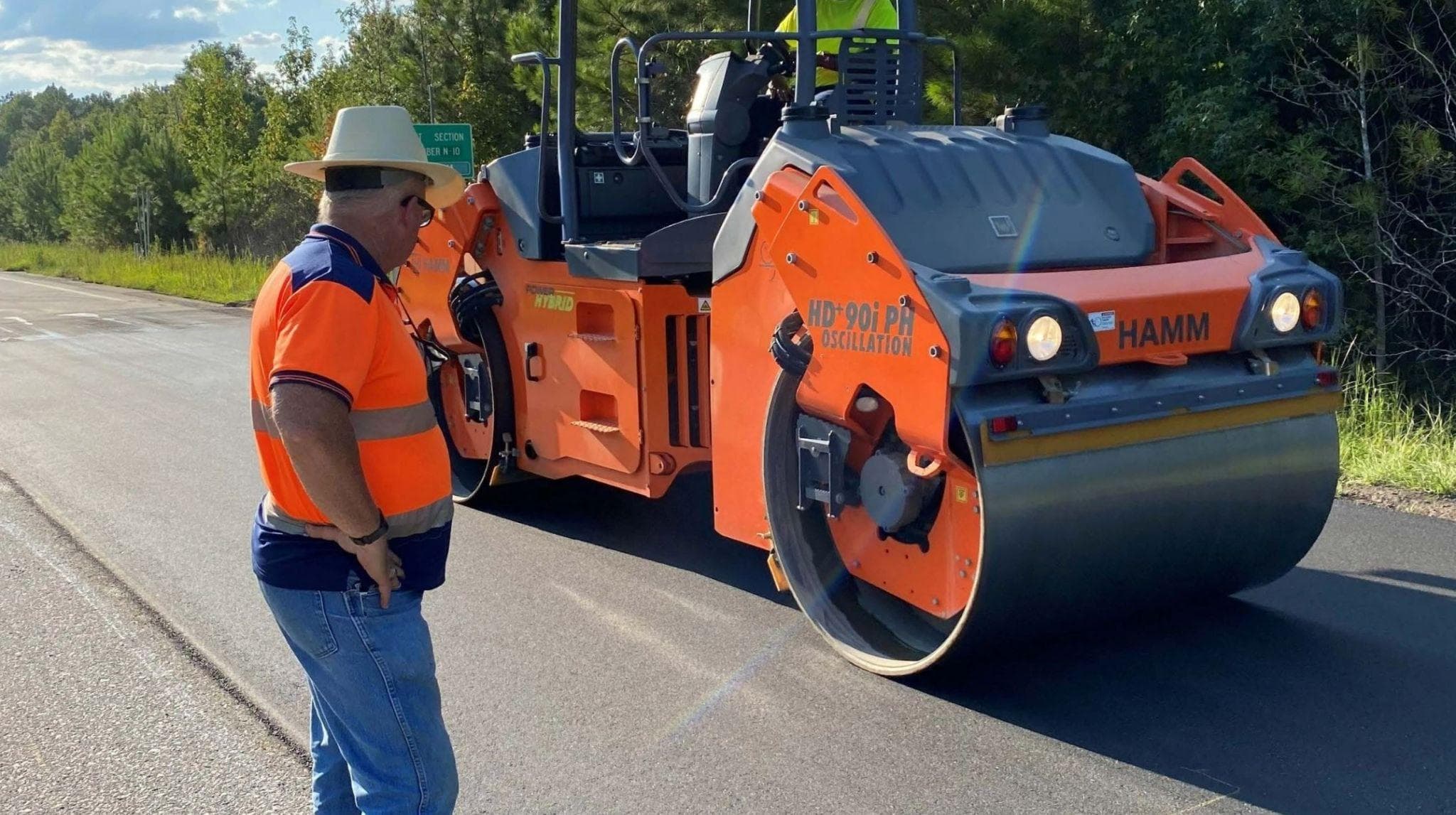
Processing only matters if the output has somewhere credible to go.
The business plan is designed around real end-market relevance, not around stockpiling recycled material and hoping demand appears later.
How a regional operating system gets built
A real regional platform depends on more than equipment. It requires recurring supply, disciplined operating standards, logistics, and partner readiness.
Hub inputs
- Contractor, facility, and manufacturer relationships that can generate recurring inbound volume
- Sorting, contamination management, and processing protocols built to support RAS credibility
- Municipal or landfill host logic where siting and environmental controls can be aligned early
- Regional market selection based on density, logistics, and downstream asphalt or paving fit
Managed intake
Volume matters, but disciplined intake standards matter more if the output is going to support real downstream use.
Spec-aware processing
Processing quality, contamination controls, and reporting are core trust layers for contractors, municipalities, manufacturers, and downstream users.
Regulatory readiness
Environmental controls, runoff considerations, and jurisdiction-specific requirements need to be addressed early, not after a site is built.
Demand-linked expansion
New regions should be opened where supply, logistics, and downstream utilization can reinforce one another.
How this becomes a scalable platform instead of a one-off operation
The long-term platform is more than processing capacity. It is a combination of partner programs, reporting, and future network visibility.
Partner layer
Contractor, municipal, manufacturer, and processor relationships create recurring relevance and more durable expansion.
Reporting layer
Impact reporting, intake visibility, and admin-ready lead capture set up the future data side of the company.
Expansion layer
New hubs can be added where supply, logistics, downstream demand, and capital alignment create stronger economics.