Turn roofing waste into infrastructure value.
Roofing Recyclers is building the public foundation for a company focused on landfill diversion, RAS feedstock, petroleum-offset potential, regional processing, and downstream paving-product integration.
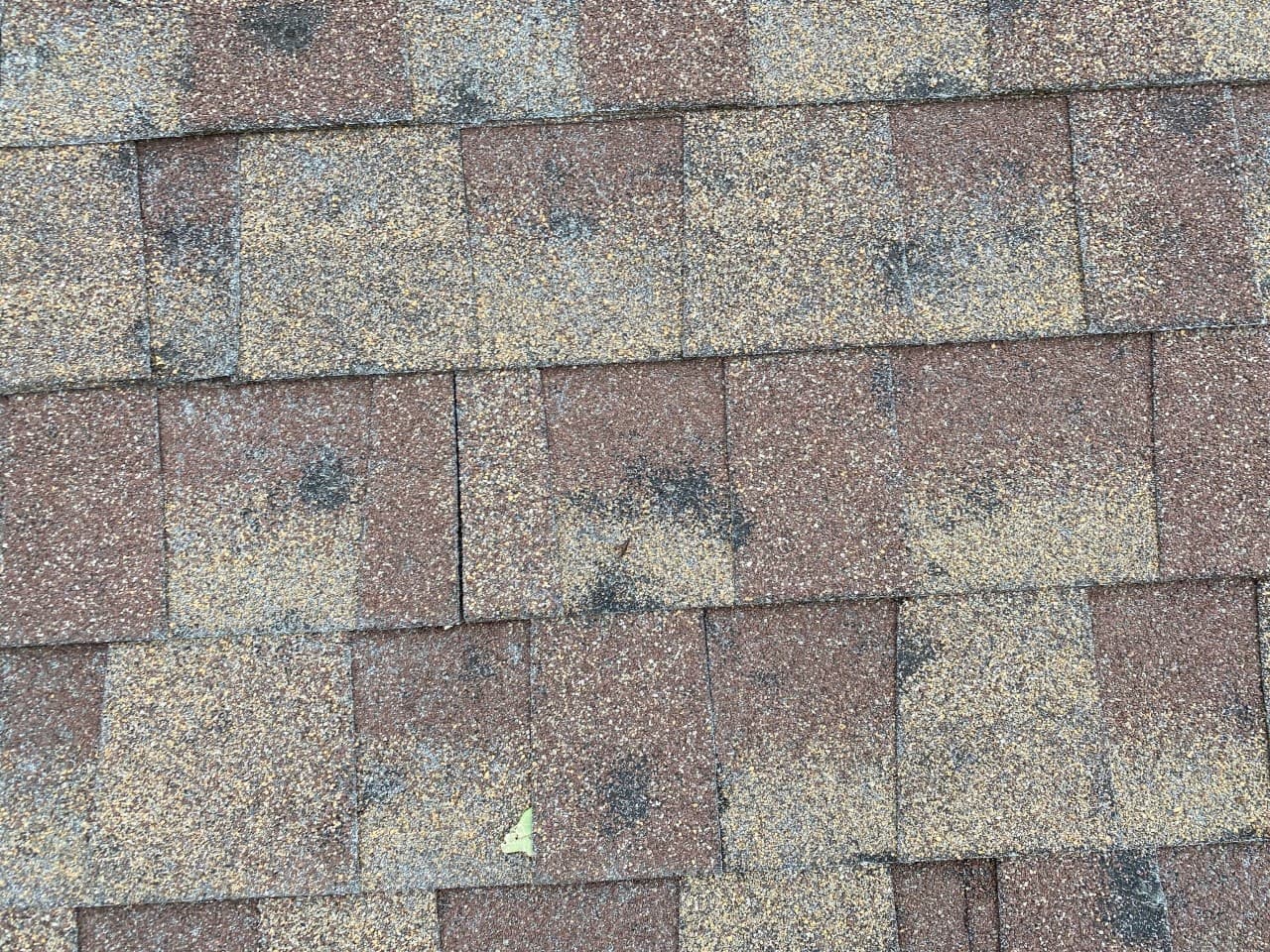
Real shingles, real mineral surface, real feedstock potential. The category only gets interesting when recovered material can move into a disciplined downstream infrastructure story.
Processed shingles create a bigger story than landfill diversion alone.
Recycled asphalt shingles give the model an output with paving relevance, petroleum offset logic, and a more serious industrial narrative than disposal-only handling.
Capture material
Tear-off shingles, cut-off waste, and diversion relationships create the intake edge.
Process into RAS
Sorting and disciplined preparation turn shingle volume into more credible feedstock.
Connect to paving demand
Downstream asphalt relationships are what make recovery relevant beyond disposal.
A waste stream large enough to matter at national scale.
estimated tons still moving through disposal channels annually
The waste stream is large enough to justify real regional infrastructure, not just isolated recycling pilots.
turns processed shingles into paving-relevant feedstock
Recycled asphalt shingles connect roofing recovery to downstream asphalt applications when quality and specifications are managed carefully.
economics built around intake value and output value
The business plan is designed to create leverage at the gate, through processing, and over time in downstream product channels.
The waste stream is large. The recovery infrastructure is not.
The opportunity is not simply about recycling. It sits at the intersection of disposal cost, material value, infrastructure demand, and domestic resource strategy.
Landfill burden
A large roofing waste stream still moves through fragmented disposal channels that create cost, congestion, and lost value.
Stranded asphaltic value
Asphalt shingles contain material that can support paving-related pathways instead of remaining stranded as landfill waste.
Public and private pressure
Manufacturers, municipalities, contractors, and landfill operators all have reasons to seek more credible diversion pathways.
Underbuilt infrastructure
The market opportunity is real, but the operating network, public narrative, and trusted category leadership remain underbuilt.
A loop built for both recovery and industrial value creation.
The model is designed to link inbound waste capture with disciplined processing, RAS feedstock, and downstream infrastructure relevance.
Inbound material capture
Roofing contractors, facilities, manufacturers, and public-sector partners direct tear-off or cut-off shingles into a structured intake pathway.
Sorting and processing
Material is evaluated, prepared, and processed into recycled asphalt shingle feedstock with contamination controls and quality discipline in mind.
RAS and downstream integration
Recovered material is positioned for paving and related product pathways where infrastructure demand can absorb real volume.
Regional network expansion
Operating hubs, logistics partners, and capital alignment create the platform for broader multi-market scale.
What the loop is meant to unlock
- A cleaner inbound pathway for contractors and facilities
- Processed shingles positioned as RAS feedstock for paving-related use
- A stronger diversion story for public and private stakeholders
- A base layer for future certification, reporting, and partner programs
The current metrics shown across the MVP site are planning-stage placeholders and are intentionally ready to be replaced with live reporting later.
The output matters as much as the intake.
Recycled asphalt shingles are the bridge between roofing waste recovery and the downstream materials opportunity.
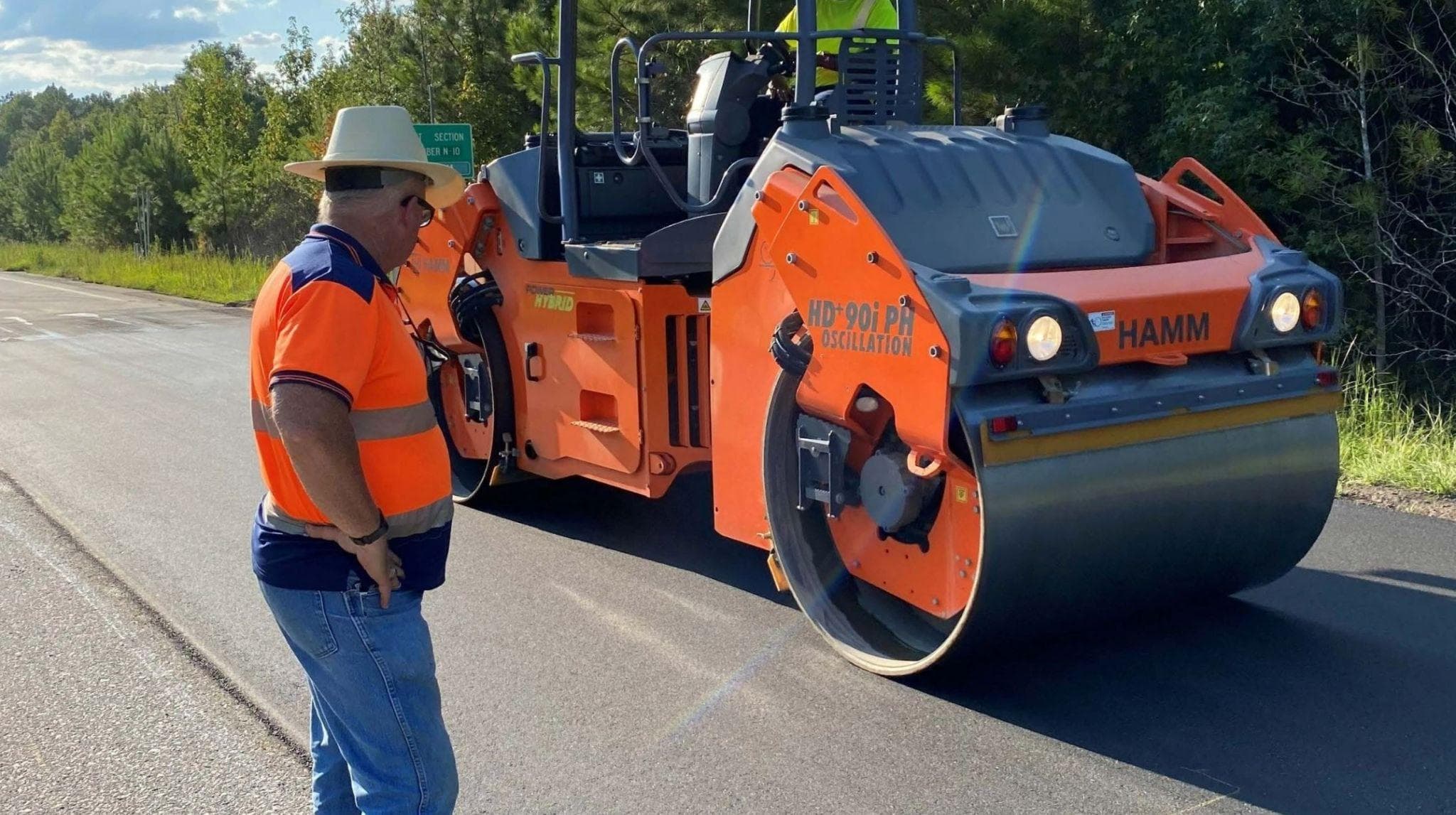
Roofing waste becomes more strategic when it has a path into infrastructure.
The RAS story matters because it ties recovery to real paving demand rather than stopping at landfill diversion.
RAS, in practical terms
Recycled asphalt shingles are processed shingle millings prepared for paving-related use rather than left as landfill waste.
Why it matters economically
RAS creates a bridge between waste diversion and downstream material value, which is why the category can matter to operators and capital alike.
Why processing discipline matters
Contamination control, consistent sizing, and market-specific specifications determine whether recovered shingles become credible feedstock.
Why capital pays attention
The investor story strengthens when inbound material, RAS processing, regulatory fluency, and downstream demand begin to reinforce one another.
Built to align contractors, manufacturers, public stakeholders, and capital.
The same operating platform has to matter to several audiences at once. That is part of the opportunity, and part of the moat.
Roofing Contractors
A more intelligent disposal pathway with sustainability credibility, operational structure, and future participation upside.
- Lower dependence on landfill-only disposal
- Stronger customer, municipal, and commercial sustainability narrative
- Future certification and network participation potential
Manufacturers
A serious circular-material partner for stewardship strategy, cut-off waste recovery, and broader ecosystem participation.
- Expanded waste-diversion positioning
- Potential recovery and inbound-volume collaboration
- Long-term category leadership alignment
Municipalities / Landfills
A route toward landfill relief, diversion performance, and public-value outcomes tied to infrastructure instead of simple disposal.
- Reduced pressure on local disposal channels
- Better alignment with diversion and procurement goals
- Public-private partnership opportunities
Capital Partners
An underbuilt industrial category sitting at the intersection of waste, infrastructure, logistics, and materials.
- Large persistent feedstock opportunity
- Hub expansion and network-density logic
- Founder with sector credibility and access
Strategic Operators
A platform opportunity for processors, recyclers, logistics groups, and regional operating partners who want real infrastructure leverage.
- Clear role inside a larger operating system
- Potential recurring-volume partnerships
- National platform adjacency over time
Environmental upside and industrial upside should be visible together.
The impact story needs to feel rigorous and measurable. The MVP uses structured placeholders now so the site can connect to live data later without redesign.
tons in the category-scale U.S. waste stream
A material stream this large supports a far bigger industrial conversation than a niche sustainability program.
links roofing waste to paving-product relevance
Processed shingles become economically more meaningful when they have a credible downstream use case instead of a disposal endpoint.
logic is built into the founding thesis
The public site is prepared to report petroleum-offset metrics carefully once live operating data becomes available.
hub strategy is designed for repeatable rollout
The model depends on localized supply, logistics, and offtake relationships that can compound over time.
Dynamic reporting ready from day one
The architecture is prepared for future live metrics, location pages, calculator modules, and partner dashboards rather than forcing a redesign later.
A credible opening exists because the category is important and still underbuilt.
The timing case is about infrastructure demand, market fragmentation, and founder access, not about vague hype.
- Infrastructure demand and paving-market relevance make asphalt shingle recovery more strategically important than a generic recycling story.
- Manufacturers, contractors, municipalities, and landfill operators all have incentive to support better recovery pathways when the operating model is credible.
- Procurement language, recycled-content interest, and domestic-material narratives can widen adoption without depending on one single policy outcome.
- Founder access across roofing networks, construction context, public affairs, and industry media creates a more realistic path to early traction.
Manufacturer and public-sector pressure
Waste-diversion, public perception, and procurement narratives are all creating more room for a serious recovery platform.
Infrastructure and paving relevance
Recovered shingles become more strategic when connected to real downstream demand instead of isolated waste handling.
Founder network and execution access
Roofing credibility, policy fluency, and contractor relationships create a more realistic route to traction.
A serious founder position without making the site about ego.
The founder story matters here because the category requires relationships, industry credibility, and the ability to work across business and public stakeholders.
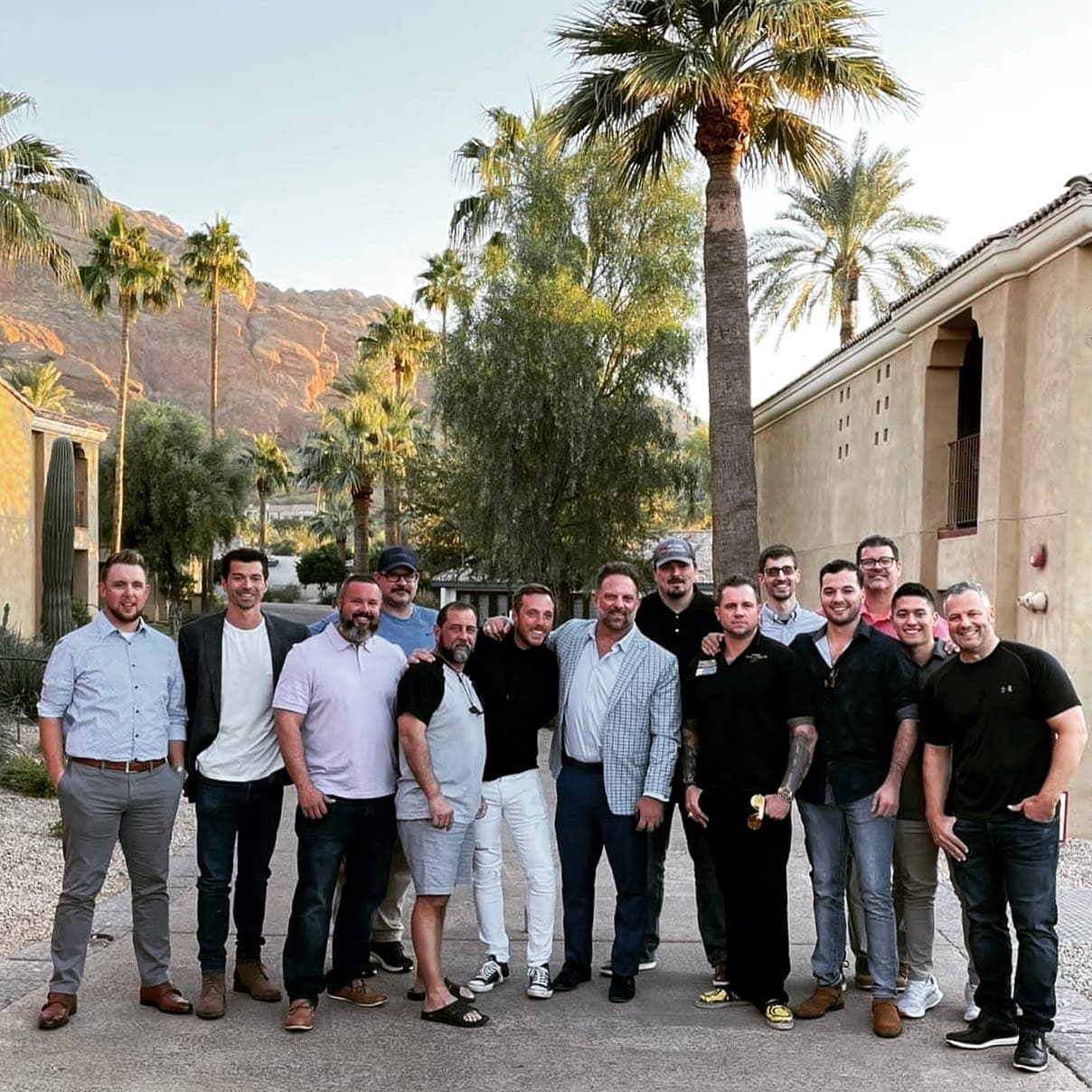
Relationships are part of the execution plan.
Roofing Recyclers needs trust across contractors, manufacturers, public stakeholders, and strategic operators. That relationship density is a real asset.
TJ Ware
TJ Ware comes to Roofing Recyclers from roofing, restoration, construction, and insurance-claims work rather than from abstract sustainability branding. That operator lens matters in a category where contractor trust, material behavior, and field logistics determine whether supply actually shows up.
His background also includes policy engagement, public-facing industry leadership, and relationship building across business leaders, trade voices, and public stakeholders. For a company that must align roofers, municipalities, manufacturers, landfills, and capital partners, that relationship density is part of the business plan.
Built on sector credibility, public-affairs fluency, and relationship depth.
- Roofing and restoration industry credibility with contractor network access
- Construction and insurance-claims operating perspective
- Policy, legislative, and regulatory engagement experience
- Relationship-driven access across roofers, media, and strategic stakeholders
A few fast answers for people deciding whether to lean in.
The public site should answer the big questions cleanly while creating room for deeper investor and partner conversations.
Is Roofing Recyclers just a disposal company?
No. The thesis is broader: recover roofing waste, convert it into infrastructure value, and build the regional operating network around that material flow.
What is RAS?
RAS stands for recycled asphalt shingles. In practical terms, it is processed shingle material prepared for paving-related use rather than left as landfill waste.
Who should reach out now?
Investors, contractors, manufacturers, municipalities, landfill operators, logistics groups, processors, and media or policy stakeholders can all use the current intake routes.
Choose the conversation that matches your role in this market.
The intake paths are organized for investors, contractors, manufacturers, municipalities, and strategic operators so the right discussion starts quickly.